How a pivot to hair accessories led to business success

 Jenny Lemons
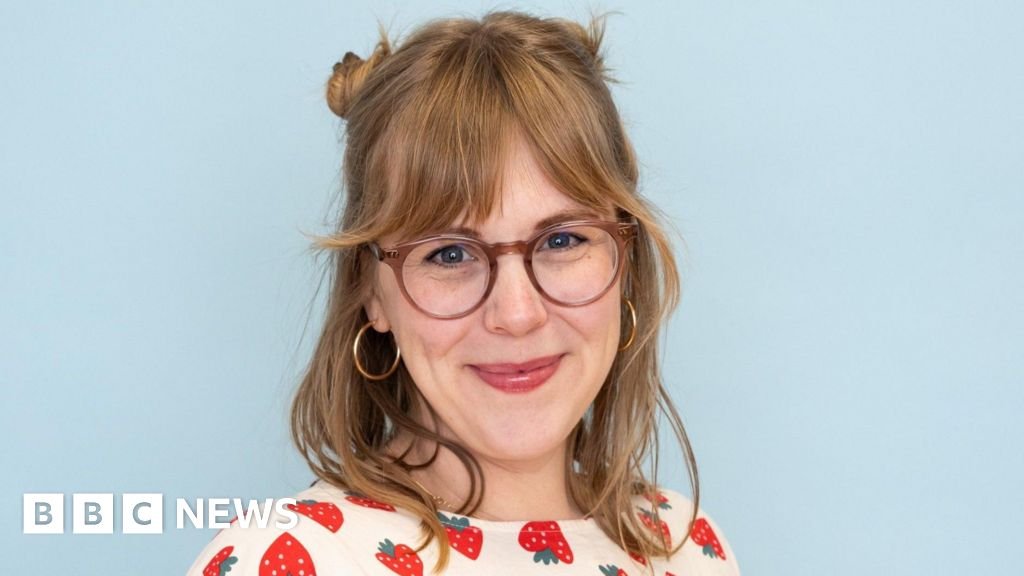
"I tell people, 'I make food-themed accessories' and boom – they get it," says Jenny Lennick.
For the San Francisco-based artist and entrepreneur that niche underpins a thriving retail business.
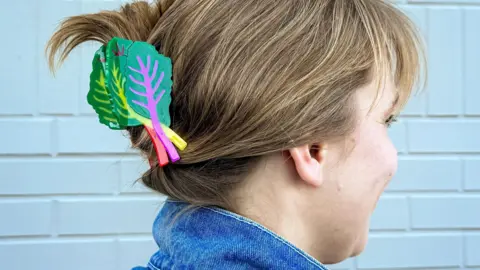
The 39-year-old runs a small Californian accessories brand called Jenny Lemons. It is best known for its quirky, colourful hair claw clips, made from a plant-based alternative to conventional, petroleum plastic.
She designs the products, selling them directly on her website, and wholesale to around 1,500 independent retail stores in the US and internationally. And all the hair clips are themed around food.
If you want to wear rainbow chard, a sardine tin, or a TV dinner in your hair, Lennick has a clip for that, though the company's bestseller is a strawberry.
"They are small, affordable luxuries that add a little bit of flair and fun," says Lennick.
The company, which takes its name from Lennick's college DJ moniker, didn't begin as an accessories brand.
Originally from Minnesota, and with more than six years at art school, Lennick launched the business in 2015 as a food-themed, hand-printed clothing line, based in San Francisco's trendy Mission district.
She expanded the venture, opening a physical shop in the neighborhood in 2018, selling her clothes along with products made by other artists.
But the store proved punishing – staffing costs were high, rent kept rising, and foot traffic never recovered after the pandemic. She closed it at the end of 2023, $90,000 (£66,000) in debt.
The pivot to hair accessories began the year before when, selling her clothes at a craft fair, Lennick met a hair claw vendor who shared a contact for a factory in China. Lennick started to produce her own – food-themed, naturally – and sales online quickly outpaced that of her clothing.
"They [the hair clips] were keeping the store open," she says, and the obvious future.
 Jenny Lemons
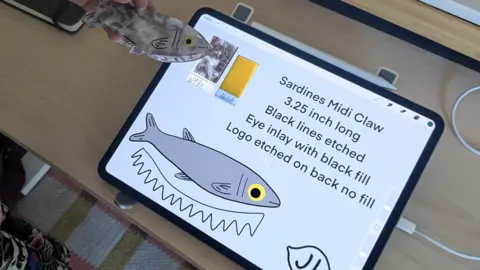
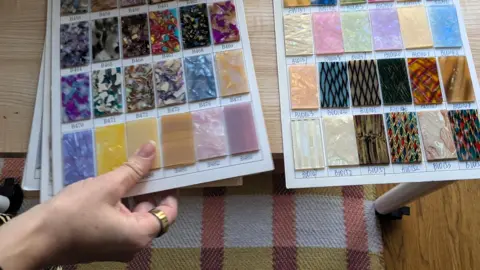
Lennick's studio today is a downstairs room in her home in one of San Francisco's outer neighborhoods. Lennick draws her clips on her tablet, chooses their colors from a library of samples and sends the designs to her long-time Chinese factory, which produces a prototype.
Her style, she explains, pares food down to its essentials, and she rarely uses more than three colours to aid wearability. She also watches food trends – the sardine tin claw clip is because tinned fish is having a moment.
And she is adding designs inspired by seasons and festive occasions, including a pumpkin spice latte hair clip that debuted this past autumn.
Jenny Lemons now has three full-time staff – Lennick, her husband as director of operations, and an operations manager, plus contractors who help with everything from inventory forecasting to social media, where Instagram is crucial.
Revenue reached $2m last year, up from $1.7m in 2024. And the business, she says, is profitable.
A shipment of 31,000 clips – the company's largest yet – recently crossed the Pacific to a fulfilment centre in Missouri which handles orders for her. About 60% of sales are wholesale, with the rest online.
A recent survey of her customers found most were aged 25 to 45, with about 30% in teaching or healthcare. Some wear the clips to glam up medical uniforms, she says.
Food-inspired fashion has filtered down from luxury designers like Dolce & Gabbana which embraced it late last decade, says Lorynn Divita, an associate professor of apparel design and merchandising at Baylor University in Texas.
She adds that Jenny Lemons clips hit a "sweet spot" – giving people a way to dabble in the fashion trend at a giftable price point (a large hair claw is $24 on the website).
Divita also says that Lennick has made some smart moves with videos showing how to wear and style the clips, as well as promoting them as sustainably and ethically made in China. "It appeals to the demographic that likes to show their values through purchases," she says.
Across the Atlantic, Beki Gowing, a lecturer in fashion entrepreneurship at the University of the Arts London, says Lennick has "built a very strong business".
"She really understands her brand and it shows in how it's presented," adds Gowing.
But she would like to see the business be more transparent regarding its environmental claims.
Cellulose acetate, from which the clips are made, comes from cellulose sourced from wood pulp or cotton. But it is still semi-synthetic, and a type of plastic, because of the way the natural material is chemically modified.
Lennick notes that cellulose acetate does have environmental benefits over conventional plastic, such as being biodegradable under certain conditions. And she says that the company is in the process of doing more to highlight the labour standards the clips are made to.
 Zoe Corbyn
Lennick's business also faces its share of headwinds.
She's been trying to absorb Trump's tariffs on Chinese goods rather than pass costs on to customers, squeezing her margins and forcing her to be more strategic about shipping and inventory.
"It is a numbers game…if we raise up our prices, we're not going to be able to sell as many hair clips, which eats into our profit too," says Lennick.
Onshoring isn't an option – she hasn't found a high-volume cellulose acetate factory in the US, and it would likely raise prices too much anyway.
Then there are the knockoffs made by Chinese companies. While competitors are free to make food-themed hair clips, copying her specific designs – which are patented – is another matter.
After her mother spotted what appeared to be exact replicas in a Minnesota department store chain, Lennick sued. She's already settled one case for $45,000 against another large retailer.
And she pays someone to patrol online and send cease-and-desist letters. "We play whack-a-mole as much as we can," she says.
 Zoe Corbyn
Fashion fads fizzle too. Every year Lennick is relieved when she sees hair claws are still trending.
But she knows she'll need more than novelty clips to survive long-term, which is why she's added other food-themed goods including hats, socks and earrings. But clothing is a hard-no – sizing is too complicated.
She's reticent to stray too far from food. Other artist-led hair clip brands already focus on cute animals and chequerboard patterns. "The name we've carved out for ourselves is the funky food ones," she says.
Lennick aims to grow revenues 30% this year, which is ambitious says Divita. The company is in talks with a national home-goods chain about stocking its clips – it has previously appeared in other chains such as Urban Outfitters.
Such wholesale deals often have strict requirements and require deep discounts which can be challenging for small businesses, says Lennick, but the larger reach is enticing.
Alongside this, brand collaborations – where Jenny Lemons might create a special-edition hair clip for another company's promotional campaign – are a growing area.
Reopening a physical shop anytime soon is not on the cards.
Reflecting on her success, Lennick notes she's put in the work – the only financial help she's ever had is bank loans.
And while she admits she may have sold out somewhat as an artist by commercialising, she supports her family and gets to be creative. "And that is fine," she says.