Thames Water 'sleepwalking' into bad deal for customers, investor says

 Reuters
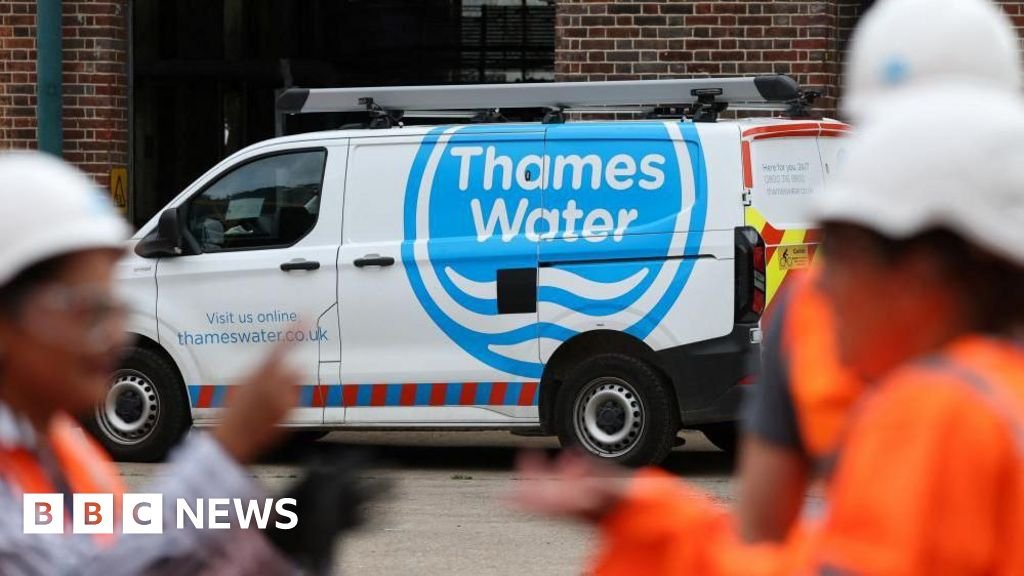
Thames Water should be put into administration rather than "sleepwalking" into a deal that is bad for customers, according to an investor which wants to buy the business.
The UK's largest water company, which serves 16 million customers, is set to run out of cash within 12 months without a rescue deal.
A group of its existing lenders has offered to write off 30% of its debt and inject billions in new money but want leniency from future pollution fines. Hong Kong's CKI Holdings Limited wants a chance to table a rival bid.
The group of lenders said CKI already had a chance to buy Thames Water. The government said it would put the utility in administration "if that were to become necessary".
The government has previously said it would prefer "a market-based solution" and said it could not comment on ongoing negotiations.
The BBC understands that a decision by regulator Ofwat on whether to recommend to government that lenders to the company take ownership of the troubled utility is still under discussion with a "variety of opinions" from board members and a decision expected this summer.
CKI Holdings insists that Thames Water's 16 million customers would be better served by allowing it to collapse into administration so that they – and others – could submit new bids to buy and revive the debt-ridden company.
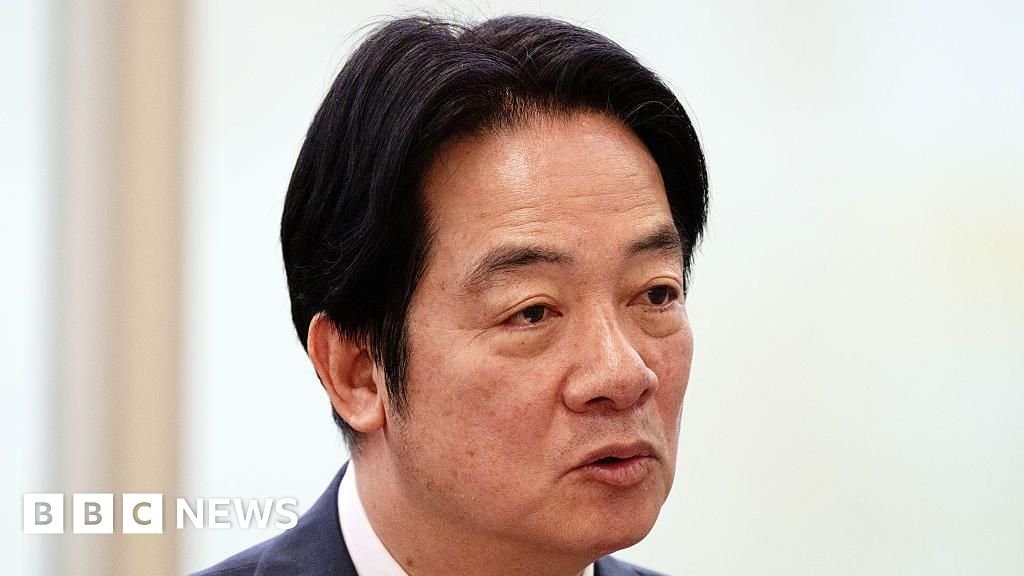
The firm's co-managing director Andy Hunter said CKI, which already owns 75% of Northumbrian Water, has a proven track record in owning critical utilities.
"I think the next owner of Thames Water should be an experienced, credible, long-term focused operator with the expertise and the resources to fix Thames Water," he said.
"But we seem to be sleepwalking into a conclusion that will result in the next owner of Thames Water – having, doubtless, many attributes – having none of these attributes."
Thames Water is, in effect, controlled by a majority of its lenders who are offering to write off a third of the company's debt and inject now money in return for some leniency over future fines for missing pollution and leak targets in the future.
Hunter says that would be a bad outcome for Thames customers.
"They would appear to be negotiating and demanding a whole raft of regulatory concessions, which which cast doubt on the integrity of the regulation, and ultimately will be to a cost to the consumer. I think that is a very, very bad solution."
The consortium of lenders, now known as London and Valley Water, has the backing of the Thames Water board.
A spokesperson for Thames told the BBC that a Special Administration Regime (SAR) – in which vital companies are kept running by government appointed managers – would create rather than solve problems.
"SAR would delay urgently needed improvements, increase costs, transfer risk and potentially create operational disruption," the spokesperson said.
The lenders told the BBC that CKI had ample opportunity to make a good offer for Thames during a bidding process run by the investment bank Rothschilds but failed to present a competitive bid.
CKI's Hunter says that the Hong Kong-based investor was barred by the lenders from rebidding when the company that was selected as preferred bidder from that process aborted their bid,
"We never had the opportunity to re-engage. The right response at that point would have been to start the process again," he said.
The lender consortium dismissed those claims.
"We strongly reject the claims made by CKI's Mr Hunter. CKI is not the preferred bidder because they put forward a wholly inadequate offer and did not engage meaningfully in the equity process when they had the chance," a spokesperson said.
"The CKI bid would have cut Thames Water's investment programme significantly. Their proposal would have delayed the turnaround, reduced spending on infrastructure upgrades and replacing pipes, and made it harder to reduce pollution and clean up rivers."
The Department for Environment, Food and Rural Affairs said: "The government will always act in the national interest on these issues."
"The company remains financially stable, but we stand ready for all eventualities, including applying for a special administration regime if that were to become necessary."